
How Often Should You Get a HydraFacial?
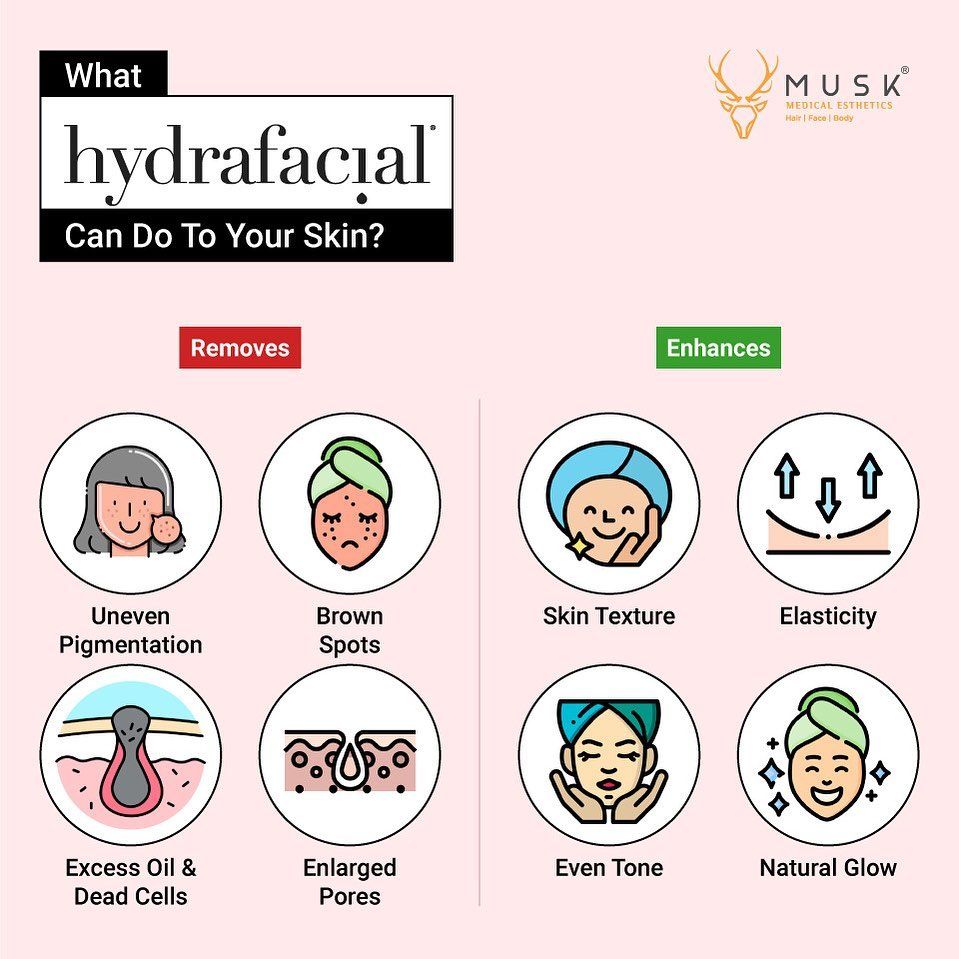
HydraFacial (also called hydradermabrasion) is a non-invasive, multistep facial that combines gentle exfoliation, painless extraction, and intense hydration using serums tailored to your skin. It’s loved for immediate glow, minimal downtime, and versatility across skin types. But how often should you schedule a HydraFacial to get the best results — whether your goal is routine maintenance, correcting hyperpigmentation, calming acne, or fighting early signs of aging? This guide breaks it down with evidence-based recommendations, a practical schedule you can follow, and tips for maximizing results between sessions.
Table of Contents
Quick answer: the short, practical schedule
Why frequency matters (skin renewal, treatment goals)
Typical recommended schedules by goal (maintenance, acne, pigmentation, aging)
Initial series vs. maintenance — how to plan the first 3 months
How skin type changes the interval (oily, dry, sensitive, combination)
Potential risks of over-doing it and when to space treatments farther apart
How to extend results between treatments (home care + professional add-ons)
Cost, memberships, and when it’s worth a treatment plan
Conclusion + infographic notes
1) Quick answer: the short, practical schedule
For most people, the simplest and most commonly recommended rhythm is one HydraFacial every 4 weeks (monthly) for maintenance and to stay aligned with your skin’s natural renewal cycle. If you’re addressing a specific condition (e.g., active acne, heavy congestion, or stubborn hyperpigmentation), many clinicians recommend an initial series of treatments more frequently (every 2–3 weeks) for the first 1–3 months, then switching to monthly or every-other-month maintenance.
2) Why frequency matters — matching your skin’s biology and goals
Skin cells follow a renewal (turnover) cycle: for most adults it’s roughly 28–40 days. Professional facials timed around that cycle help clear buildup and allow serums to work on freshly exposed skin. Frequent early treatments accelerate clearing of congestion, fade pigment faster, and build hydration quickly; but once the skin is in a healthier steady state, less frequent maintenance keeps benefits without overstressing the barrier. Studies and clinic reports also show measurable hydration and texture improvements with regular treatments over weeks to months.
3) Recommended schedules by treatment goal (practical plans)
Everyday glow & maintenance: Every 4 weeks. Keeps pores clean, tone even, and skin hydrated. Ideal if you want to look camera-ready monthly.
Acne / oily, congested skin: Start with treatments every 2–3 weeks for 2–3 months to manage oil and clear comedones, then move to monthly or every 6 weeks maintenance. Frequent extractions/hydration reduce breakouts more quickly.
Hyperpigmentation & melasma: An initial course of 4–6 treatments every 2 weeks can produce faster lightening, followed by monthly maintenance or combined therapies (peels/lasers) as advised.
Anti-aging (fine lines, texture): Monthly treatments for ongoing hydration and mild resurfacing. For more dramatic anti-aging, combine initial fortnightly sessions with targeted boosters (vitamin A, growth factors) under professional guidance.
4) Initial series vs. maintenance — how to structure the first 3 months
If you book a HydraFacial for a specific problem, think of the first 8–12 weeks as a treatment phase:
Weeks 0–8/12: Treatments every 2 weeks (4–6 sessions total), depending on severity. This creates a rapid improvement window.
After improvement: Move to monthly or every 6–8 weeks for maintenance. Spacing depends on how quickly your skin reverts and on lifestyle factors such as sun exposure and diet.
5) How your skin type alters frequency
Oily / acne-prone: Tends to benefit from shorter intervals (2–4 weeks) initially because oil and debris accumulate faster.
Dry / sensitive: May need longer intervals (4–6 weeks) so the skin’s barrier isn’t over-stimulated; focus on hydrating boosters and gentler serums.
Combination: Middle ground — every 4 weeks is usually a safe starting point.
Reactive or medically compromised skin (isotretinoin, certain prescriptions): Consult your dermatologist — you may need to delay or alter treatment.
6) Risks of doing HydraFacials too often
HydraFacials are gentle, but any professional exfoliation and extraction can irritate if overused. Signs you may be doing too much:
Ongoing redness or stinging after sessions
Peeling that lasts more than a few days
Worsening dryness or barrier breakdown
If you experience these, move to longer intervals (6–8 weeks) and switch to ultra-calming serums. Dermatologists sometimes advise spacing specialized facials further apart to avoid cumulative irritation
7) How to extend results between treatments (home care + add-ons)
To make monthly or biweekly HydraFacials stretch farther, pair them with:
Daily sunscreen (broad-spectrum SPF 30+) — most important for keeping pigment and texture improvements.
Tailored home serums (antioxidants, hyaluronic acid, gentle retinoids at night once cleared by your clinician).
Weekly mild exfoliation at home (chemical exfoliant like low-strength AHA/BHA once tolerated) to prevent buildup.
Professional boosters or add-ons (LED therapy, lymphatic drainage, or chemical exfoliation when clinically appropriate) can amplify and prolong results. Clinical reports show that regular combined care increases hydration and improves outcomes over 8–12 weeks
8) Cost, memberships, and deciding whether a treatment plan is worth it
HydraFacial sessions typically range in price depending on location, provider, and boosters. If you plan monthly treatments, many clinics offer membership plans or packages that lower per-session cost and make sticking to a schedule easier. Consider a short initial package (4–6 sessions) if you have a specific goal — it’s often the fastest, most cost-effective route to visible improvement; then switch to a maintenance membership if results satisfy you. Always ask providers what’s included in a package (serums, boosters, follow-up care).
Practical checklist before booking
Get a consultation to confirm HydraFacial is right for your skin and to create a frequency plan.
Tell your provider about prescriptions (accutane/isotretinoin, strong retinoids) or recent procedures.
Start with an initial plan (e.g., 4 treatments in 8 weeks) if you have an active concern; move to maintenance once skin stabilizes.
Use sunscreen and a supportive home routine to protect and extend results.
Conclusion — tailoring frequency to results, not trends
There’s no single “right” interval for everyone. For most people, monthly HydraFacials provide outstanding maintenance and a reliable glow. If you’re treating active concerns, an initial series every 2–3 weeks for a couple of months often delivers faster and more visible improvement; afterward, move to monthly or bi-monthly maintenance. The best plan depends on your skin type, goals, budget, and how your skin responds — so start with a consultation, consider a short treatment package to test response, and pair clinic visits with daily sunscreen and tailored home care. Regular, professionally guided sessions are what produce sustained improvement.