
How to prevent hair damage after colouring
Hair coloring is a game-changer—whether it’s a bold balayage, subtle ombre, or a full root touch-up. But that fresh hue often comes at a cost: weakened strands, dryness, breakage, and fade. In 2026, with advanced formulas like bond-builders and pH-balancing treatments, damage is more preventable than ever. The secret? Proactive aftercare that treats your hair like the investment it is.
This comprehensive guide reveals exactly how to safeguard your color and restore strength post-dye. Backed by the latest expert insights from salons worldwide (including India’s humidity-challenged climate), you’ll learn science-backed strategies to keep your hair shiny, strong, and salon-fresh for months. Say goodbye to brittle ends and hello to resilient, vibrant locks.
Balayage delivers a natural, lived-in glow, while ombre creates a dramatic, head-turning fade. Understanding the differences can save you time, money, and regret at the salon. This comprehensive 1,500-word guide breaks it all down with expert insights, real-world examples, pros/cons, maintenance tips, and stunning visuals. By the end, you’ll know exactly which technique suits your hair type, lifestyle, and vibe in 2026
Table of Contents
- Immediate Aftercare: The Critical First 72 Hours
- Switch to Color-Safe, Sulfate-Free Products
- Master Deep Conditioning and Weekly Treatments
- Protect Against Heat Styling Damage
- Shield from Sun, Chlorine, and Environmental Stressors
- Fuel Hair Health with Nutrition and Supplements
- Embrace Gentle Styling, Regular Trims, and Minimal Washing
- Monitor Damage and Know When to Take a Color Break
Immediate Aftercare: The Critical First 72 Hours
The moment you leave the salon, your hair’s cuticle is wide open—vulnerable to color loss and further damage. Rushing to wash can strip 30-50% of your new shade in one go.
Action steps:
- Wait 72 hours before your first shampoo. This allows the cuticle to close and lock in pigments.
- Rinse with cool water only on day 1 to seal the hair shaft.
- Apply a leave-in conditioner or bond-repair serum (like Olaplex No.6 or India’s L’Oréal Bond Repair) immediately.
In humid Indian cities like Mumbai or Delhi, skip heavy styling and let hair air-dry to prevent frizz and breakage. Studies show this window prevents up to 70% of initial fade.
This comprehensive guide reveals exactly how to safeguard your color and restore strength post-dye. Backed by the latest expert insights from salons worldwide (including India’s humidity-challenged climate), you’ll learn science-backed strategies to keep your hair shiny, strong, and salon-fresh for months. Say goodbye to brittle ends and hello to resilient, vibrant locks.
Balayage delivers a natural, lived-in glow, while ombre creates a dramatic, head-turning fade. Understanding the differences can save you time, money, and regret at the salon. This comprehensive 1,500-word guide breaks it all down with expert insights, real-world examples, pros/cons, maintenance tips, and stunning visuals. By the end, you’ll know exactly which technique suits your hair type, lifestyle, and vibe in 2026
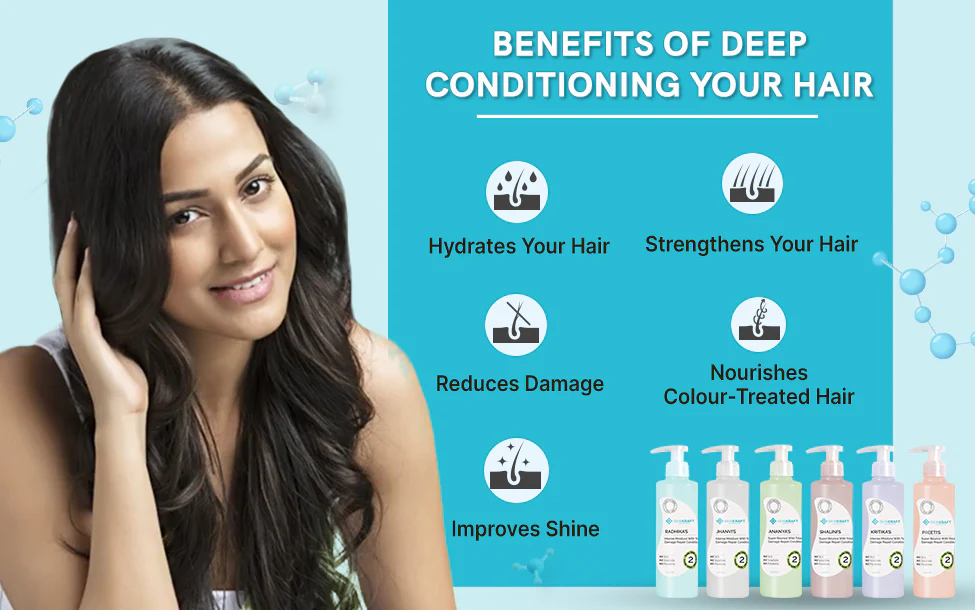
Switch to Color-Safe, Sulfate-Free Products
Harsh sulfates and alcohol in regular shampoos act like magnets for your color molecules, pulling them out while drying the hair.
2026 recommendations:
- Opt for sulfate-free, pH-balanced shampoos designed for colored hair (e.g., Matrix Total Results or Dove Color Care).
- Look for keratin, ceramides, and antioxidants in the formula—these rebuild bonds broken during coloring.
- Condition every wash, focusing on mid-lengths to ends.
Pro tip: In India, brands like Streax and Livon offer affordable color-protect lines tailored for monsoon-prone hair. This switch alone can extend color life by 4-6 weeks
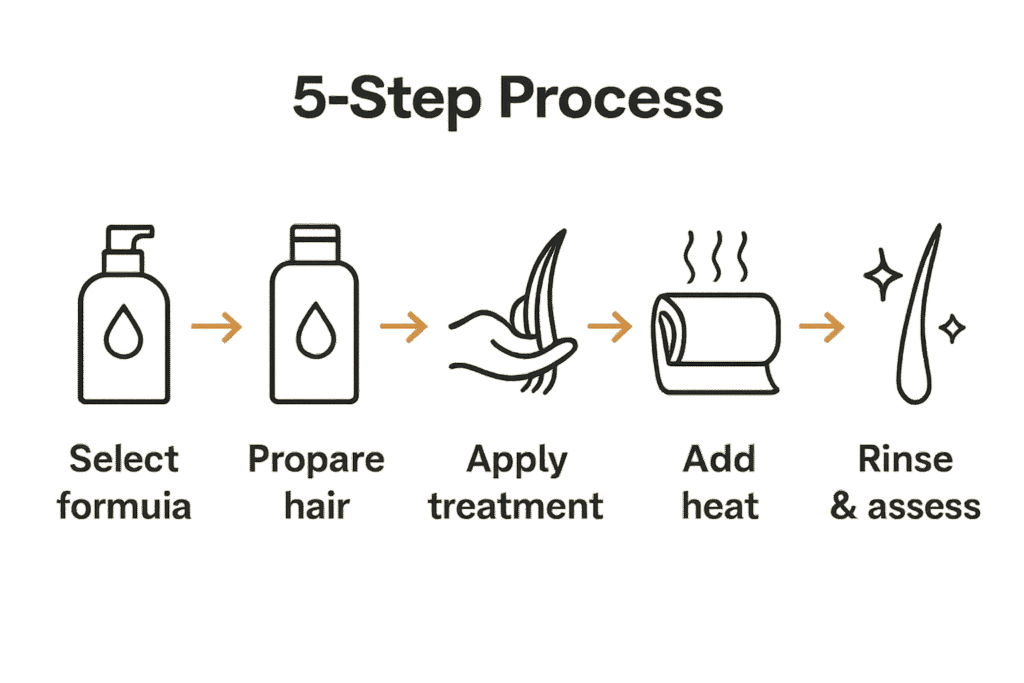
Master Deep Conditioning and Weekly Treatments
Coloring makes hair porous and dry—deep conditioning is non-negotiable for restoring moisture and elasticity.
Routine:
- Use a hair mask 1-2 times weekly (e.g., with argan oil, shea butter, or hyaluronic acid).
- For damaged hair, try protein treatments (like Kérastase or homemade egg-yogurt masks) every 10 days.
- Apply to damp hair, cover with a shower cap, and use low heat (or steam) for 20-30 minutes.
In 2026, “bond-repair” masks with peptides are trending—they repair up to 90% of chemical damage. For Indian hair types (often fine and straight), lighter oils like coconut work wonders without weighing down.
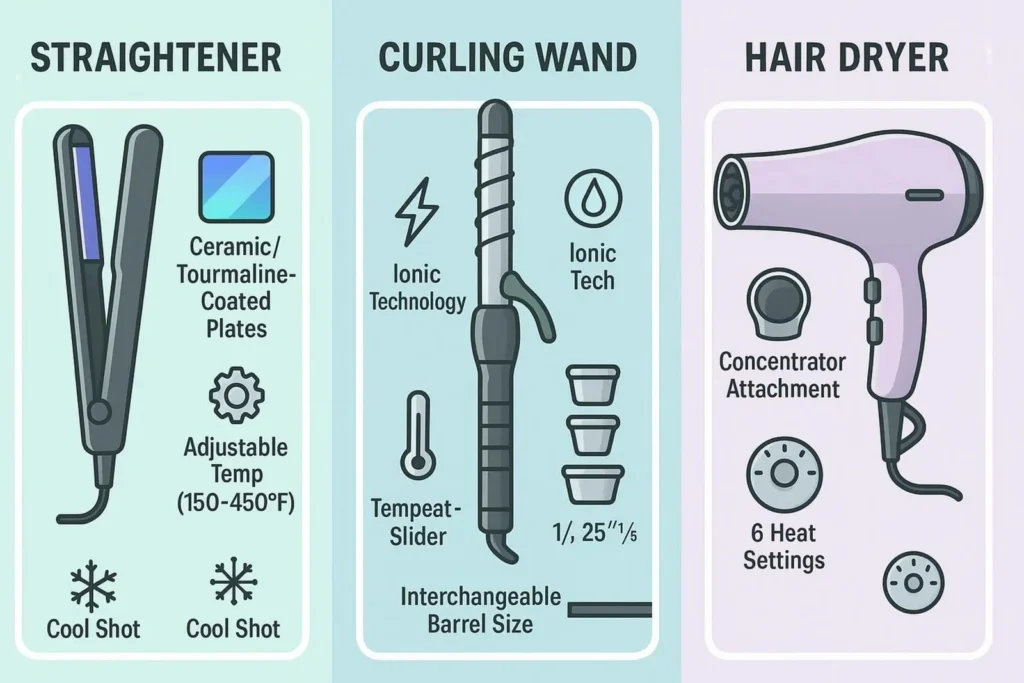
Protect Against Heat Styling Damage
Heat is the #1 enemy of colored hair, opening cuticles and accelerating fade while causing breakage.
Smart strategies:
- Air-dry whenever possible; use microfiber towels or old T-shirts to reduce friction.
- Always apply a heat protectant (spray or serum) before tools—choose ones with silicones or polymers that form a barrier up to 450°F.
- Keep tools on low-medium heat (below 350°F) and limit sessions to 2-3 times weekly.
For curls or waves popular in 2026, diffusers and cool shots help. Indian summers demand extra protection—pair with anti-humidity sprays.
Shield from Sun, Chlorine, and Environmental Stressors
UV rays, pool chemicals, and pollution oxidize color pigments, turning blondes brassy and brunettes dull.
Defense tactics:
- Use UV-protectant sprays or hats before outdoor time (essential in India’s intense sun).
- Pre-swim: Wet hair, apply conditioner, and wear a swim cap—chlorine binds to hair, causing green tones.
- In polluted areas, clarify monthly with chelating shampoos to remove buildup.
2026 innovation: Hair mists with vitamin E and antioxidants provide all-day barriers.
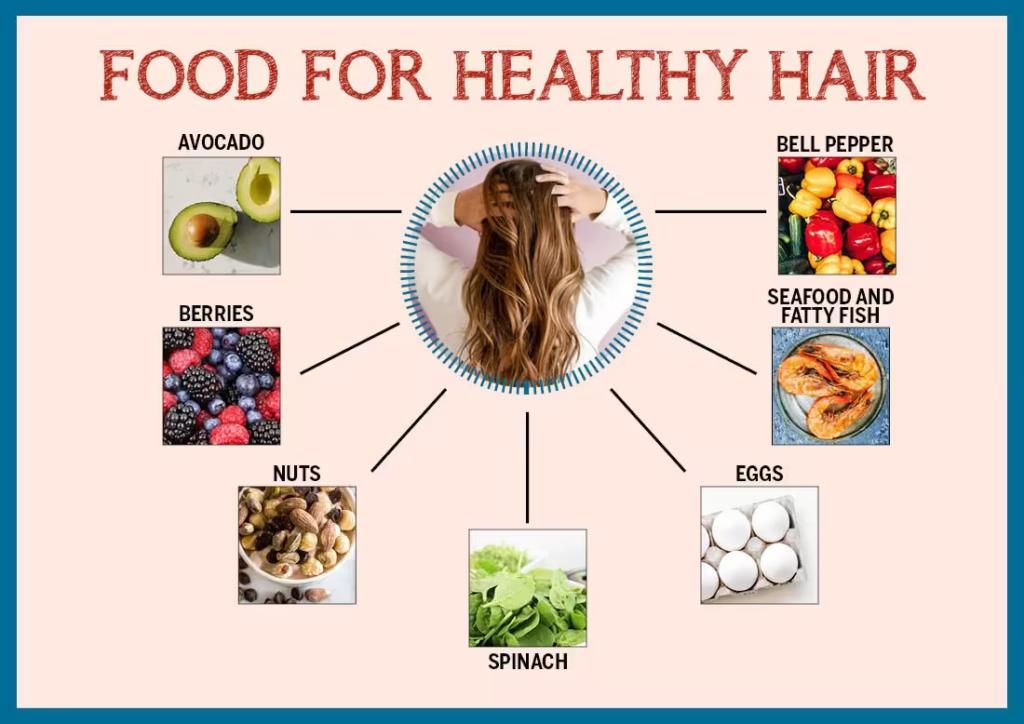
Fuel Hair Health with Nutrition and Supplements
Internal care is as vital as external—coloring depletes proteins and nutrients.
Daily boosts:
- Protein: Eggs, fish, nuts (aim for 50-60g/day).
- Vitamins: Biotin (from eggs, almonds), iron (spinach, red meat), omega-3s (salmon, flaxseeds).
- Supplements: Collagen peptides or biotin (5,000mcg) for faster repair—consult a doctor.
In vegetarian-heavy Indian diets, include paneer, dal, and supplements. Results show 20-30% stronger hair in 8 weeks
Embrace Gentle Styling, Regular Trims, and Minimal Washing
Over-washing and rough handling compound damage.
Habits to adopt:
- Wash 2-3 times max weekly with lukewarm water.
- Detangle with wide-tooth combs; use silk pillowcases to cut friction.
- Trim every 6-8 weeks to remove split ends—prevents breakage from traveling up the shaft.
- Style loosely; avoid tight ponytails.
For long hair trending in 2026, protective styles like braids minimize stress.
Embrace Gentle Styling, Regular Trims, and Minimal Washing
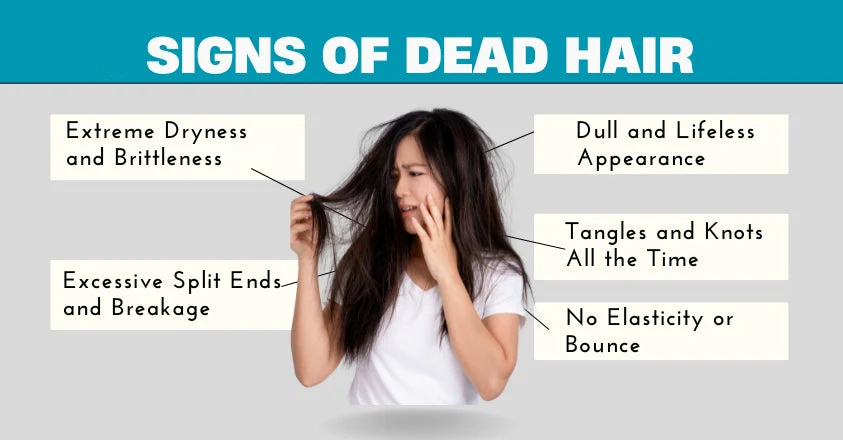
Prevention includes knowing when to pause.
Red flags:
- Excessive dryness, tangles, or no bounce.
- Color fading faster than usual.
Solutions:
- Take 8-12 week breaks; use gloss treatments for refresh.
- Book professional bond-building services (e.g., Olaplex in-salon).
- If damage is severe, a “reset” cut might be needed.
In 2026, apps track hair health via photos—use them!
Conclusion
Preventing hair damage after coloring isn’t about perfection—it’s about smart, consistent habits that honor your hair’s needs. From the 72-hour golden rule to nutrient-packed diets and cutting-edge protectants, these 8 strategies will keep your color vibrant and strands resilient well into 2026 and beyond. Your hair endured the chemical process for beauty; now reward it with care. Start today: swap one product, add one mask, or book that trim. The results? Hair that turns heads for all the right reasons—healthy, shiny, and full of life.
Ready to level up? Share your post-color routine in the comments, and consult your stylist for personalized advice. Beautiful hair starts with prevention!